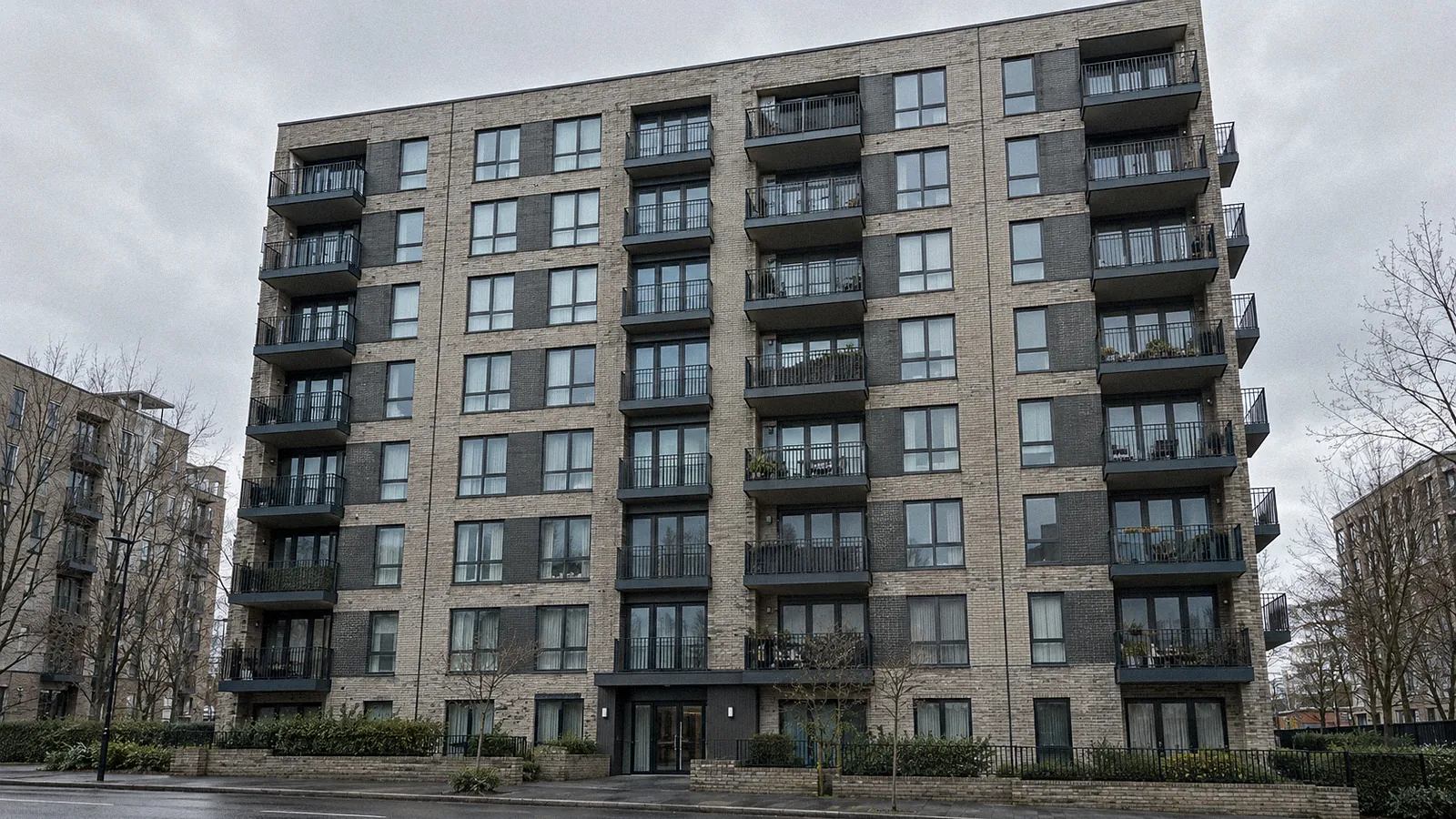
The Act widens what the fire risk assessment must cover. Veritas carries them out. Fire Risk Assessment
What did the Fire Safety Act 2021 change?
It amended the Regulatory Reform (Fire Safety) Order 2005 to remove doubt about what the Order applies to in residential buildings. Before the Act it was unclear whether external walls and flat entrance doors were within the Responsible Person's duties. The Act says they are.
What does the Act bring into scope?
| Part of the building | Includes |
|---|---|
| Structure | The building's structure, including compartment walls and floors |
| External walls | Cladding, insulation, windows, balconies and anything attached to the walls |
| Doors to the common parts | Every door between a flat and the common parts, including flat entrance doors |
Who does it affect?
The Responsible Person for any building in England with two or more sets of domestic premises, whatever its height. They must assess and manage the fire risk from these parts of the building, and fire and rescue authorities can enforce against them.
What does it mean in practice?
Fire risk assessments for blocks of flats must consider the external walls and flat entrance doors, and the action plan must deal with what is found. In buildings with a storey over 11 metres high, flat entrance doors must also be checked every 12 months on a best endeavours basis under the Fire Safety (England) Regulations 2022; compartment walls and floors can be confirmed with a fire compartmentation survey.